

Understanding Bond Accrued Interest: A Practical Overview for Investors
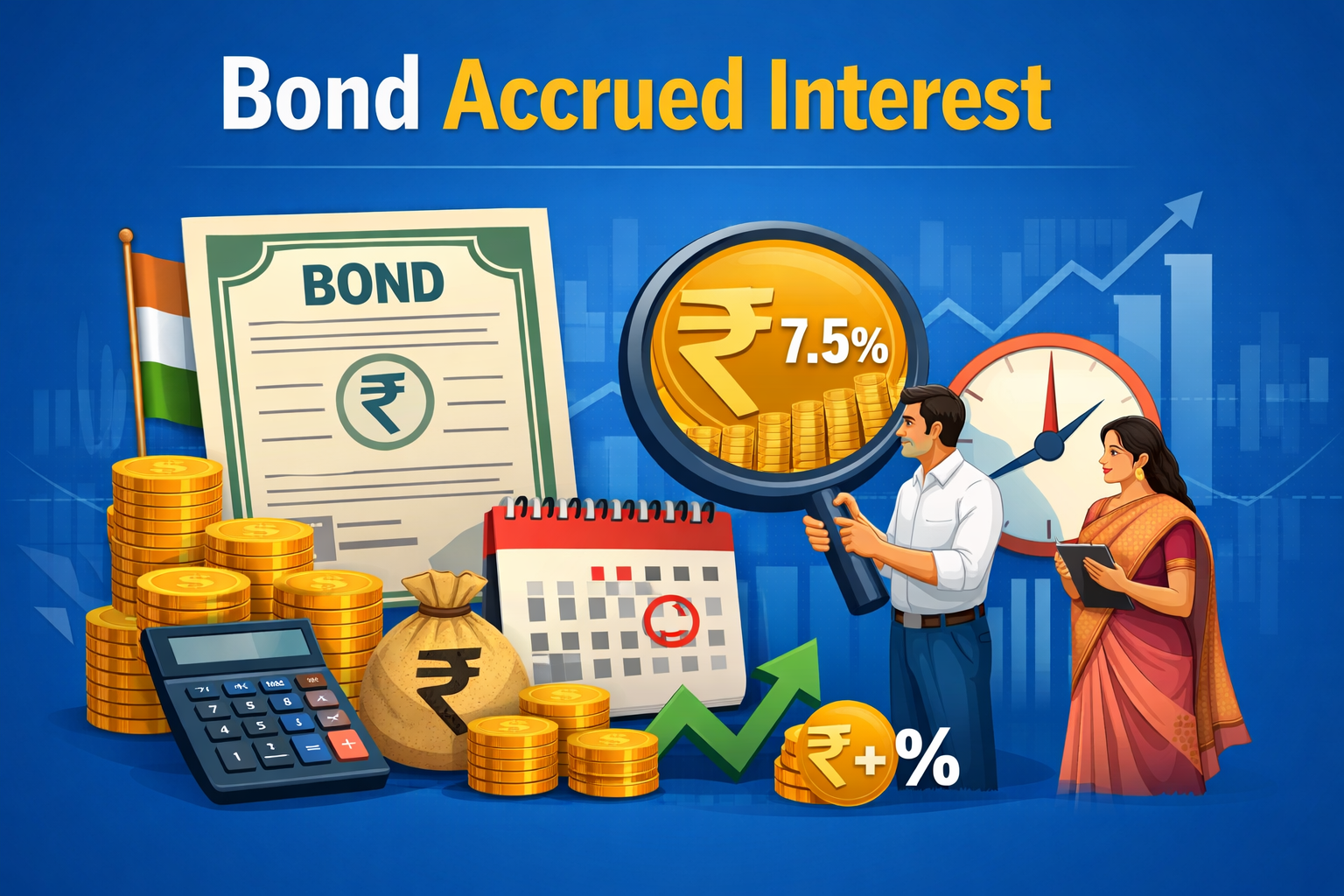
Imagine a telecom firm launching a nationwide 5G network. To raise the necessary funds, it issues bonds, promising regular interest and repayment of principal at maturity. When bonds are purchased partway through an interest cycle, accrued interest in bonds becomes important. This represents the interest accumulated from the last payment date up to the purchase date. Buyers pay this accrued interest to ensure the seller receives what they earned.
Understanding bond accrued interest helps plan investments and evaluate returns, making it an essential concept for anyone navigating the bond market.
What Is Bond Accrued Interest?
When you buy or sell a bond between its interest payment dates, the interest keeps building up day by day. This is called accrued interest. Think of it as the interest the bond has earned but has not yet been paid. It ensures that if you buy a bond from someone else, you pay them fairly for the interest they have earned up to that day. Similarly, the buyer’s total cost includes this accrued interest, which is added to the bond’s clean price to form the dirty price. Accrued interest applies to most fixed-income investments, including corporate and government bonds, helping investors maintain accuracy and fairness in their transactions.
The Accrued Interest Formula Explained
When you invest in a bond, the interest you earn doesn’t always wait until the next coupon date.
Accrued interest is the portion of the bond’s interest that has built up from the last coupon payment to the date you settle the bond. Calculating it is simple and helps you understand exactly what you are owed if you buy or sell a bond partway through its coupon period.
The formula to calculate accrued interest on bonds is:
Accrued Interest = (Annual Coupon Payment × Days Accrued) ÷ Days in Coupon Period
Here’s what each part means:
-
The Annual Coupon Payment is simply the bond's face value multiplied by its coupon rate. For example, a ₹10,00,000 bond with a 9% coupon gives ₹90,000 per year.
-
Days Accrued counts the days from the last coupon payment to the day the bond is bought or sold.
-
Days in the Coupon Period are typically 180 or 360 days, depending on how the bond’s interest schedule is set.
Imagine a bond with a face value of ₹10,00,000, a 9% annual coupon, and a 180-day coupon period. If 90 days have passed since the last payment, the accrued interest would be:
Accrued Interest = (₹90,000 × 90) ÷ 180 = ₹45,000
This means the buyer pays ₹45,000 in interest to the seller when purchasing the bond midway through the coupon period.
Accrued interest ensures everyone gets their fair share of the bond’s earnings and is a key part of accurate bond interest calculation. It helps investors know exactly how much interest they are entitled to, even if the bond changes hands before the next payment date.
Types of Bonds and Accrued Interest
Investing in bonds can be a smart way to earn fixed returns while managing risk. Understanding the different types helps you choose what fits your goals. Here’s a quick look at the main types:
-
Corporate Bonds: These are issued by companies and often offer higher yields. They usually have higher accrued interest, which is calculated daily. Corporate bonds can be a good option if you are looking for potentially higher returns while lending to businesses.
-
Government Bonds: Issued by the government, these bonds carry lower risk. The interest accrues steadily, and payment schedules are predictable. Government bonds are ideal for investors who value safety and consistent income.
Both corporate bonds and government bonds use the same core formula for calculating accrued interest, making it easier to manage multiple investments.
Why Bond Accrued Interest Matters?
When you invest in bonds, understanding accrued interest can help you make fair and informed decisions. Here’s why it is important:
-
Fair Pricing: You pay only for the interest accumulated for the period you actually hold the bond, rather than for the full period.
-
Clarity on Costs: Knowing the accrued interest ensures you understand the total price upfront and can plan your investment more effectively.
-
Confident Trading: When you are aware of how accrued interest works, you can make quicker and more confident trading decisions in active markets.
-
Platform Advantage: On Bondbazaar, dirty prices, including accrued interest, are shown automatically for all bonds.
Understanding accrued interest allows you to buy and sell bonds confidently, knowing the cost of your investment is transparent and accurate.
How Bond Accrued Interest Works?
Accrued interest is calculated based on the time that has passed since the bond’s last coupon payment. It helps determine the total price you pay. Here is how Bond Accrued Interest works:
-
Identify Last Coupon Date: Check when the bond last paid interest.
-
Count Days: Count the number of days from the last coupon payment to the date you are settling the transaction.
-
Calculate Daily Interest: Multiply the bond’s coupon by the fraction of days passed in the current period.
-
Add to Price: Add this accrued interest to the clean price to get the total amount, also called the dirty price.
-
Automated Tools: Bondbazaar calculates this automatically for corporate, government, and other bonds in real time.
By knowing this calculation, you are always aware of what portion of the bond price is for interest and what is for principal.
Tips for Managing Accrued Interest
Managing accrued interest effectively can help you save money and make better investment decisions. Consider these points:
-
Check Dirty Price: Always verify the dirty price when buying a bond to ensure it includes accrued interest.
-
Timing Matters: If possible, time your purchase close to a coupon payout to reduce the amount of accrued interest you pay.
-
Use Automation: Bondbazaar provides automatic calculations so you can avoid errors and save time.
-
Plan Ahead: Understanding accrued interest helps in planning cash flows from your investments, especially if you hold multiple bonds.
Following these tips ensures you make fair, informed decisions when buying and selling bonds.
Conclusion
Understanding bond accrued interest simply helps you trade bonds the right way. It keeps things fair between buyers and sellers, gives you full clarity on what you are paying, and lets you invest with confidence. Whether you are looking at corporate bonds to fund telecom projects or steady government bonds, understanding how accrued interest works puts you in control of your decisions.
With Bondbazaar, this process becomes even simpler. You see real-time dirty prices upfront, can choose from over 10,000 bonds, and invest on a SEBI-regulated platform where bonds are held in demat form. Add zero charges and access to expert support, and you get a bond investing experience that is transparent, informed, and hassle-free.
Buy and Sell Bonds with Ease. Access a wide range of bonds and trade them anytime on Bondbazaar, a platform built for liquidity and transparency.
FAQs
1. What is bond accrued interest?
You can think of bond accrued interest as the interest that has built up from the last coupon payment date until the day you buy or sell the bond. It ensures fairness in trading between buyer and seller.
2. Why do I pay accrued interest when buying bonds?
You pay accrued interest because the seller has earned interest for the period they held the bond since the last coupon. This way, both parties are compensated fairly.
3. How do I calculate accrued interest quickly?
You can calculate it using this formula:
Accrued Interest = Coupon per period × (Days since last coupon ÷ Days in coupon period)
This gives you a quick and reliable estimate of the interest component of the bond price.
4. Is accrued interest included in the bond price?
The price you usually see is the clean price. The total amount you pay is the dirty price, which is the clean price plus accrued interest. Knowing this helps you plan your investment cost.
5. Does accrued interest apply to all bonds?
Yes, accrued interest applies to both government and corporate bonds. Interest builds every day between coupon payments, so it is important to account for it whenever you trade a bond.