
What Are Catastrophe Bonds?
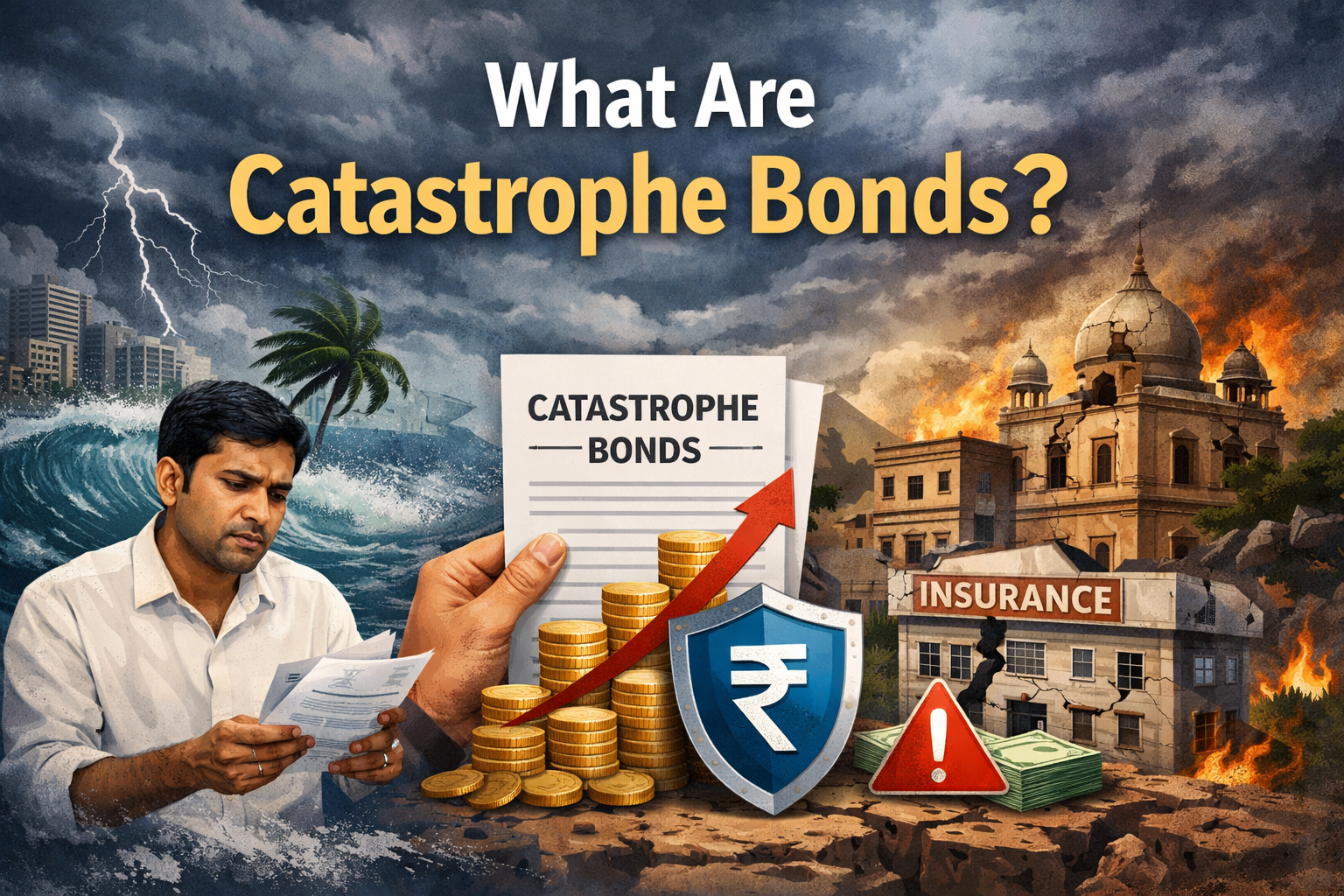
Imagine a powerful hurricane hitting a coastal city and causing massive damage to homes, factories, and infrastructure. Insurance companies now have to pay out huge claims immediately. Insurers need quick funds to cover the costs without draining their own reserves. That's where catastrophe bonds, or cat bonds, step in as a smart funding option.
Bonds are like loans investors make to issuers. You buy a bond, receive regular interest payments (the coupon rate), and at maturity, you receive back the face value, your initial investment. Catastrophe bonds build on this by linking payouts to specific disasters, helping insurers manage big risks. They offer investors a way to earn returns while supporting vital societal protection.
How Catastrophe Bonds Work
Think of an insurance firm preparing for earthquake damage in a busy industrial area. They issue cat bonds to gather funds from investors like you, creating a special account to hold the money.
This setup works smoothly through these key steps:
- Issuance: The insurer works with banks to create and sell bonds, often through a protected entity known as a special-purpose vehicle (SPV). The SPV invests the funds safely until needed.
- Premium Payments: Investors receive steady interest payments from the bond's coupon rate, drawn from investor money and reinsurance premiums.
- Trigger Event: If a defined disaster occurs, such as a storm reaching the set wind speeds, the SPV uses the funds to pay the insurer. No disaster means investors get their full face value back at maturity.
- Investor Return: Without a trigger, you enjoy the coupon payments plus principal repayment, often higher than standard bonds to reflect the risk.
Catastrophe bonds are high-yield debt instruments where principal repayment depends on whether a predefined catastrophe occurs, transferring peak insurance risks to capital markets.
This process gives insurers breathing room during crises while allowing investors to access unique opportunities. Bondbazaar's real-time trading platform makes buying and selling bonds simple, with over 10,000 options across categories such as corporate bonds and government bonds.
Cat bonds turn disaster risks into investable assets, balancing protection and profit.
Why Insurers Issue Catastrophe Bonds
Insurers favour cat bonds for clear benefits:
- Risk Transfer: They transfer extreme-event costs to investors, freeing up capital for daily operations.
- Cost Efficiency: Often cheaper than reinsurance for massive events, with fixed terms upfront.
- Quick Capital Access: Funds are ready in the SPV and deployable quickly if triggers activate.
- Market Discipline: Bond terms force precise risk modelling, improving overall planning.
Compared to corporate bonds, which fund general business growth, or government bonds, which back public projects, cat bonds focus tightly on disaster protection; each serves its purpose effectively.
From an investor's view, this means steady income potential with a defined risk window. Bondbazaar, led by bond-market experts and partnered with Trust Group, lets you tap into this with zero charges, no account opening, brokerage, or maintenance fees, and bonds held securely in demat form.
Issuing cat bonds strengthens insurers, enabling them to support businesses through tough times.
Investor Benefits and Risks
Suppose you're a portfolio manager at a firm eyeing steady income streams amid market shifts. Cat bonds appeal because they pay attractive coupon rates, are uncorrelated with stocks or bonds, and are not affected by economic cycles.
Here's what draws investors:
|
Benefit |
Description |
|
Higher Yields |
Coupon rates exceed many corporate or government bonds, rewarding the risk. |
|
Diversification |
Low link to broader markets; adds balance to your holdings. |
|
Defined Risk |
Triggers are specific (e.g., quake magnitude), with transparent models. |
|
Principal Protection |
Full repayment if no event occurs, often with collateral like U.S. Treasuries. |
Risks exist; handled transparently: A triggering event could result in partial or full principal loss, though historical data shows low trigger rates. Ratings agencies assess them rigorously, much as they do other bonds.
Cat bonds suit those comfortable with insurance-linked risks, offering returns of 8-14% fixed via Bondbazaar, where you can buy or sell at the click of a button.
Overall, they offer a fresh way to grow your investments while helping manage risk.
Cat Bonds vs. Other Bonds
Each bond type fits distinct needs:
- Cat Bonds: Tie to specific perils, ideal for peak risks with higher yields.
- Corporate Bonds: Issued by companies for growth; yields reflect credit quality.
- Government Bonds: Backed by governments, prioritising safety over high returns.
Cat bonds shine in transferring natural disaster exposure, complementing the stability of government bonds or the business focus of corporate bonds, diversifying your portfolio smartly.
This variety lets you match bonds to your goals, enhancing resilience.
Role of Technology and Platforms
Envision streamlining your bond investments like ordering office supplies, fast, secure, and direct. Modern platforms have transformed access to cat bonds, once limited to big institutions.
Bondbazaar's SEBI-regulated OBPP status ensures smooth trades, with automated digital tools plus a physical service team. Payments flow straight to your account, bonds in demat form.
Technology demystifies cat bonds, modelling risks with data for informed choices. Access has never been easier, opening doors for everyday investors.
FAQs
What exactly is a catastrophe bond?
A catastrophe bond (cat bond) is a type of insurance-linked security where investors lend money to insurers. Returns depend on whether a specific disaster, like a hurricane, occurs during the bond's term.
How do investors make money from cat bonds?
You earn regular coupon payments throughout the term. If no triggering event happens, you get your full principal back at maturity.
Are cat bonds safe for beginners?
They are best for investors who understand and can tolerate event-based risks.
Can anyone buy catastrophe bonds?
Yes, through regulated platforms that provide access, transparency, and demat holdings.